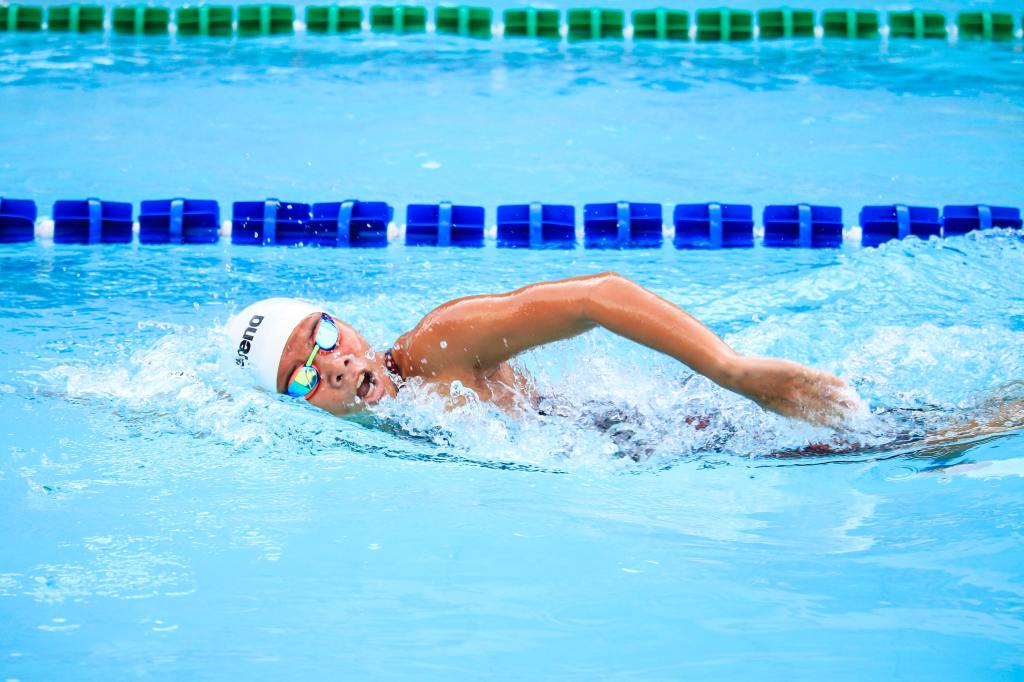
Swimming is a highly competitive sport that requires dedication and discipline. Professional swimmers constantly push themselves to the limit in the pool and at home when they practice. Training like a professional swimmer involves more than just swimming laps. It’s about developing strength, speed, and stamina while maintaining proper technique.
Strength training is an essential component of any successful swimmer’s routine. Professional swimmers know that building strength can help them stay afloat for longer and increase their water power. Some popular strength training exercises include squats, lunges, push-ups, pull-ups, crunches, and planks. These exercises help build core muscles which are important for efficient swimming strokes.
Stretching helps prevent injury and increases flexibility, improving pool performance. Swimming sessions should begin and end with a 10-minute stretching routine. This will help warm up the muscles, reduce muscle tension and increase blood flow to the muscles, aiding in muscle recovery after a workout or race.
Professional swimmers often incorporate sprint sets into their routines, swimming multiple short bursts followed by rest periods between each set. This interval training helps build stamina and improves overall speed while allowing time for recovery between sets.
Swimming at consistent speeds also helps you track how well you do over time by noting improvements or setbacks compared to previous performances. Repeating sets of drills that hone proper form and performing timed intervals can help ensure that quality does not slip during practices or races.
Keeping your face in the water and not lifting to breathe will create less drag and increase your efficiency in the pool. To help keep your head down while you swim, focus on the end of the pool when you are taking each stroke rather than focusing on what’s around you.
Professional swimmers know when to conserve energy by breathing efficiently underwater or using efficient kicks to propel them forward during races. The more energy you conserve during a race, the better your chances of overtaking your competitors and crossing the finish line first.
Working with a glide path helps swimmers develop muscles specifically used for efficient swimming. A glide path is a way of positioning yourself in the water to reduce frontal drag and promote smooth movement through the lanes. This involves arching your back slightly, keeping both arms straight at all times, and keeping your legs bent slightly off the bottom of the pool.
Knowing how your body moves in the water is imperative for achieving maximum speed in races. Working on specific techniques such as hand placement or undulation can help you increase your speed dramatically. Have a coach watch you swim or record yourself and review your form after each session to ensure you get the most out of every lap.
Joining a swim team or getting a coach can be an ideal way to train like a professional swimmer. While swimming alone can be productive and cost-effective, having someone to offer feedback, track your progress and provide instruction can take your swimming to the next level. When you join a group or get a coach, you are more likely to stay focused throughout your training regimen, and you learn healthy competition skills that further help you improve your speed and technique.

