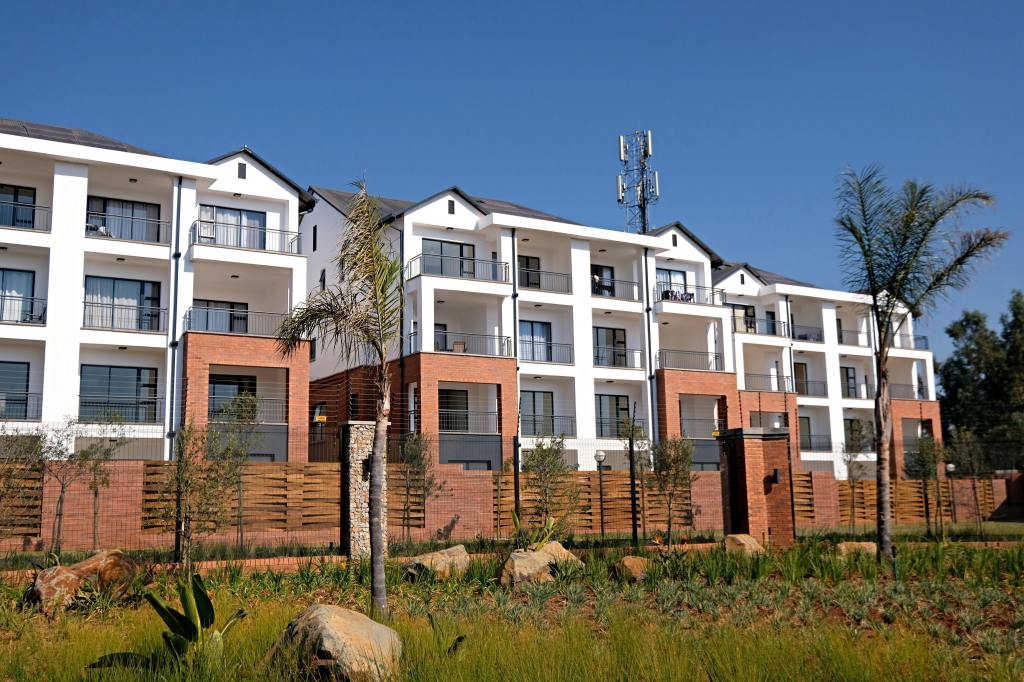
In real estate investing, distressed properties refer to those facing foreclosure, disposal by a lender after an unsuccessful auction, or financial issues such as unpaid liens or taxes. Even though distressed properties often sell for less than market value, potential investors should avoid making rushed decisions, hoping to make quick profits.
Before purchasing, an investor should determine the reasons behind the property’s status. Common causes of distressed properties include poor management, unprofitability, property faults, or unpaid dues or taxes. For instance, potential investors should determine how much they must set aside to restore the property to profitability. Understanding the reasons that caused the distress helps investors avoid making mistakes similar to those of the previous owner.
Settlement for distressed properties can take longer due to legal or financial issues from the previous owner. For instance, if a property becomes distressed due to a bankruptcy proceeding, courts must approve the sale, which takes time. Legal or financial issues can also increase the risk of a sale falling through. Thus, investors should hire a legal professional or conveyancer to review the documentation, discover any red flags, and advise on handling the complexities associated with purchasing distressed properties.

